
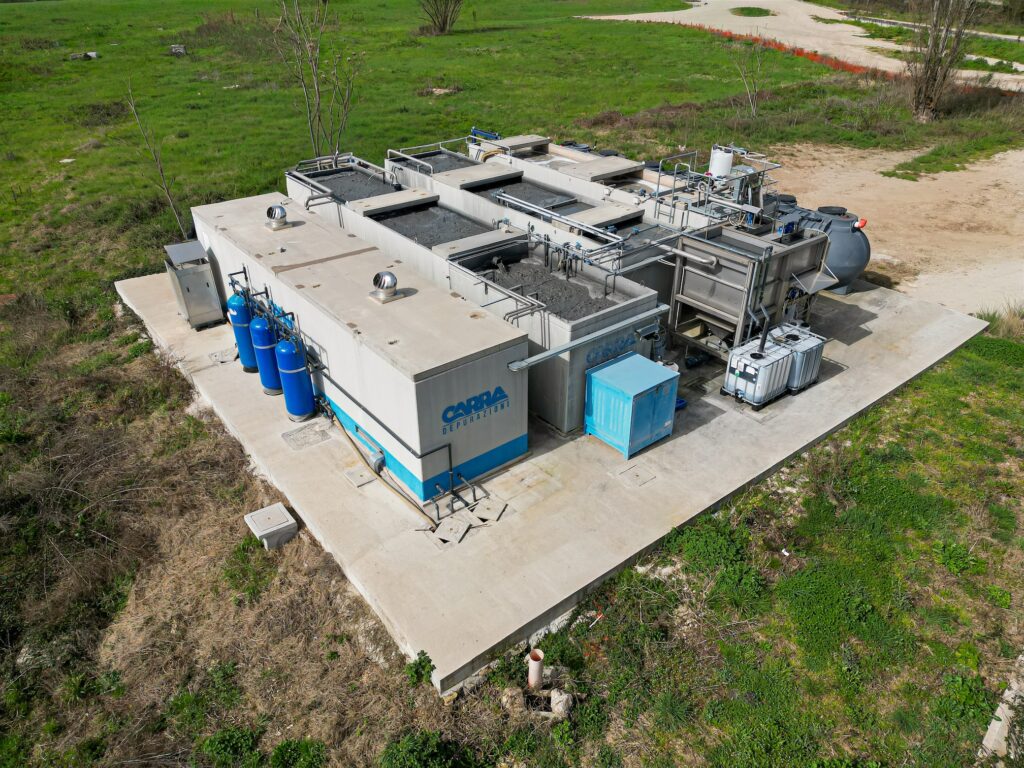
INDUSTRIAL WASTEWATER TREATMENT
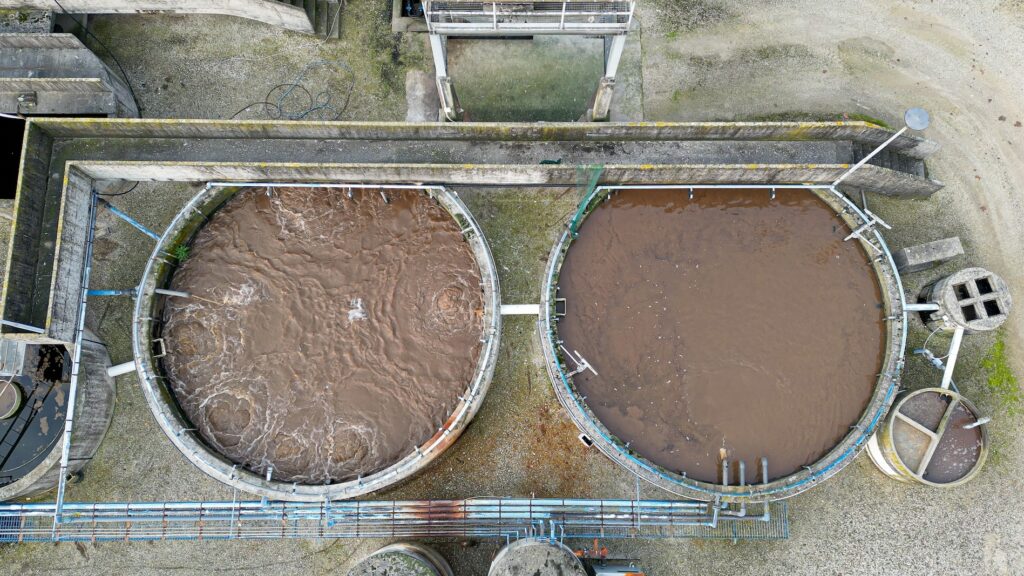
Industrial wastewater is a highly diverse category: while general types can be identified, each user requiring treatment must be carefully examined, taking their specific characteristics into account. Our approach is tailored to the Client’s needs; we collaborate with them toward the common goal of resolving issues related to the facility’s discharges, allowing them to focus on their core business with peace of mind.
APPLICATION SECTORS
Winery wastewater is characterized by significant organic loads and a strong discontinuity in terms of flow rate and organic load between the harvest phase and the remainder of the annual production cycle.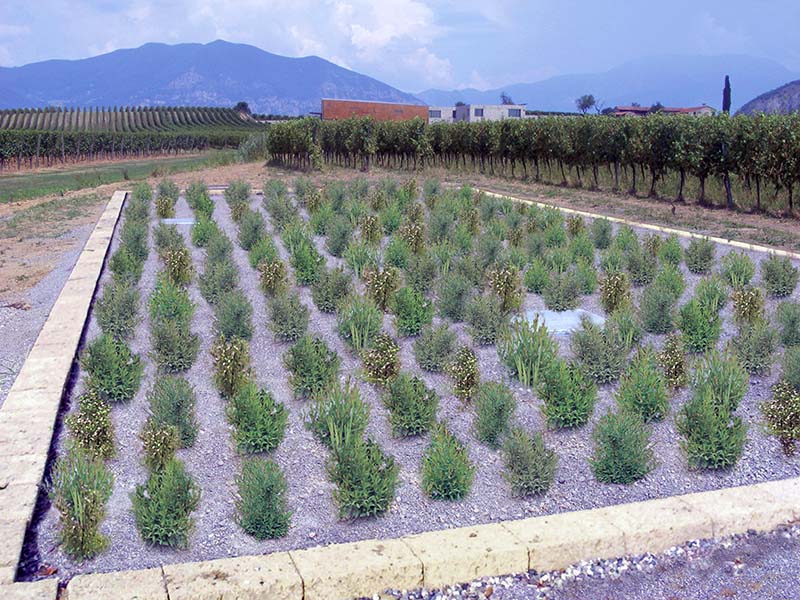
The treatment system must therefore be able to cope with the peculiarities of the production cycles, favoring a modular plant type that allows for the absorption of load peaks and any operating anomalies, while providing for an equalization phase (and possibly a polishing phase, depending on the quality objectives set for the discharge).
The predominant part of the pollutant to be removed in the wastewater is mainly of organic origin, and for this reason, the preferred type of treatment is obviously biological (low-load activated sludge, SBR, MBR, MBBR).
Wastewater from breweries is – like winery wastewater – characterized by significant organic loads and discontinuity in organic and hydraulic loads. The treatment system must therefore be able to cope with the peculiarities of the production cycles, favoring a modular plant type that allows for the absorption of load peaks and any operating anomalies, while providing for an equalization phase (and possibly a polishing phase, depending on the quality objectives set for the discharge). 
The predominant part of the pollutant to be removed in the wastewater is of organic origin, and for this reason, the preferred type of treatment is obviously biological (low-load activated sludge, SBR, MBR, MBBR, vertical flow constructed wetlands).
Wastewater from slaughterhouses is characterized by a highly degradable organic load. Flow rates must be carefully evaluated in relation to processing cycles, and the oil and grease fraction must be properly separated with adequate pretreatment. 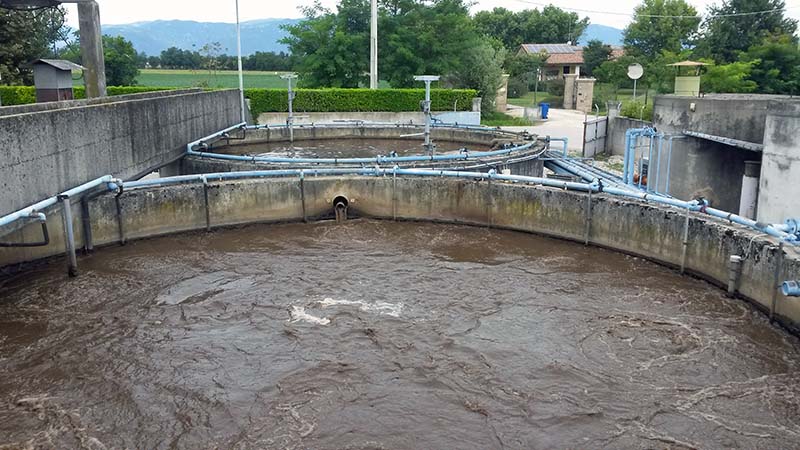
Furthermore, each type of processed meat must be considered, as different meats produce different concentrations of pollutants. The treatment system must therefore be able to cope with the peculiarities of the production cycles, favoring a modular plant type that allows for the absorption of load peaks and any operating anomalies, while providing for an equalization phase (and possibly a polishing phase, depending on the quality objectives set for the discharge).
The predominant part of the pollutant to be removed in the wastewater is of organic origin, and for this reason, the preferred type of treatment is obviously biological (low-load activated sludge, SBR, MBR, MBBR, vertical flow constructed wetlands).
The agri-food industry sector is extremely composite, with highly diversified types of wastewater characterized mainly by high COD values, and often Nitrogen.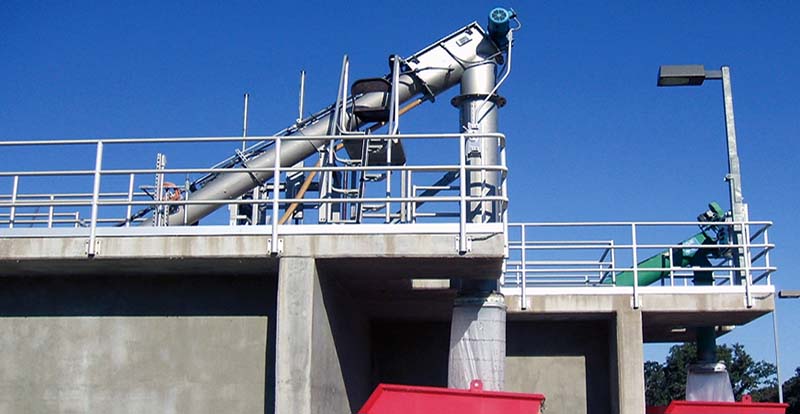
Every application must be placed within its specific context; therefore, in the case of agricultural companies located in extra-urban environments (dairies, milking parlors, preserves production, etc.), we provide for the adoption of an extensive biological system, as a secondary or tertiary treatment.
In the field of energy production from agricultural sources, the application of treatment systems has spread alongside waste reuse techniques. Anaerobic digesters fed by livestock sewage, biomass, or the Organic Fraction of Municipal Solid Waste produce a “digestate,” whose liquid fraction is usually loaded with ammonia, at values that make it impossible to discharge and difficult to recirculate. 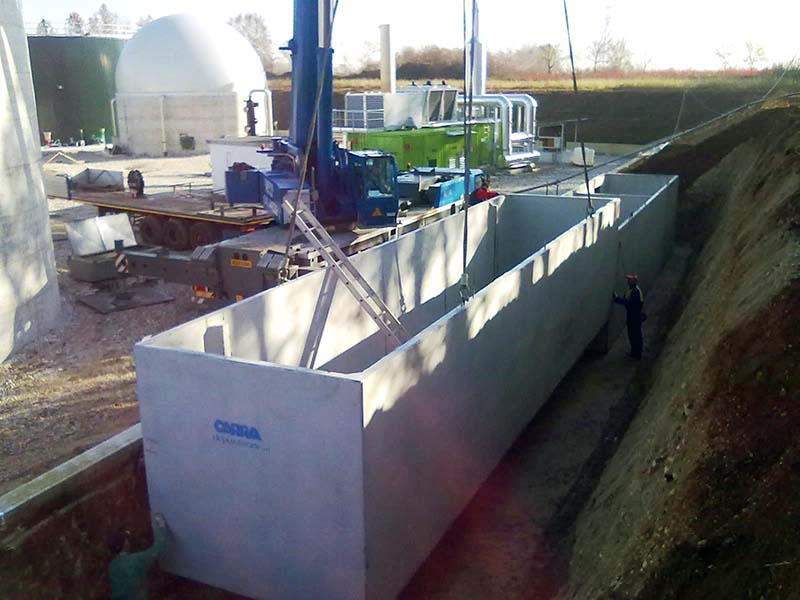
The problem must be addressed by considering the production economy of the plant on one hand, and the requirements imposed by regulations on the other. The solution is the adoption of a biological plant sized for the objectives to be achieved, identified together with the client (economic and/or regulatory).
Wastewater from dye works is characterized by significant organic loads, high hydraulic loads, and issues related to the pigments used for coloring, as well as surfactants. The treatment system normally adopted is biological, intensive and/or extensive, and must be able to handle the peaks caused by various production cycles. 
The predominant part of the pollutant to be removed in the wastewater is of organic origin, and for this reason, the preferred type of treatment is obviously biological (low-load activated sludge, SBR, MBR, MBBR, vertical flow constructed wetlands).
Wastewater from paper mills is characterized by significant organic loads (often with refractory COD fractions), very high hydraulic loads, and issues related to coloring cycles.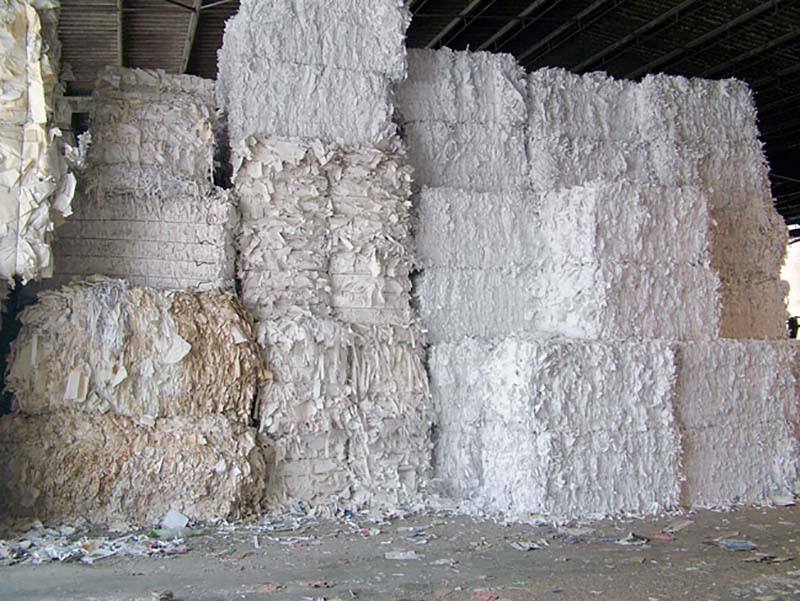
The treatment system normally adopted is biological, intensive and/or extensive, and must be able to handle the peaks caused by various production cycles. Past experiences lead us to prefer traditional biological treatment systems integrated with attached biomass systems.
Wastewater from vehicle washing is characterized by strong discontinuities in quality and flow rate. The treatment system may include a physical type (sedimentation + oil removal) followed by a biological treatment and possibly a further physical treatment (filtration) or chemical-physical treatment, depending on the purification needs.
In the initial physical treatment phase, the sedimentation of solid fractions (earth and sand, silt, atmospheric and road-origin particulate) is pursued, which settle at the bottom of the 1st compartment; furthermore, non-emulsified light liquids will be separated gravimetrically by surface flotation. The coalescence filter will help separate the oily particles not yet separated by aggregating them on its surface. 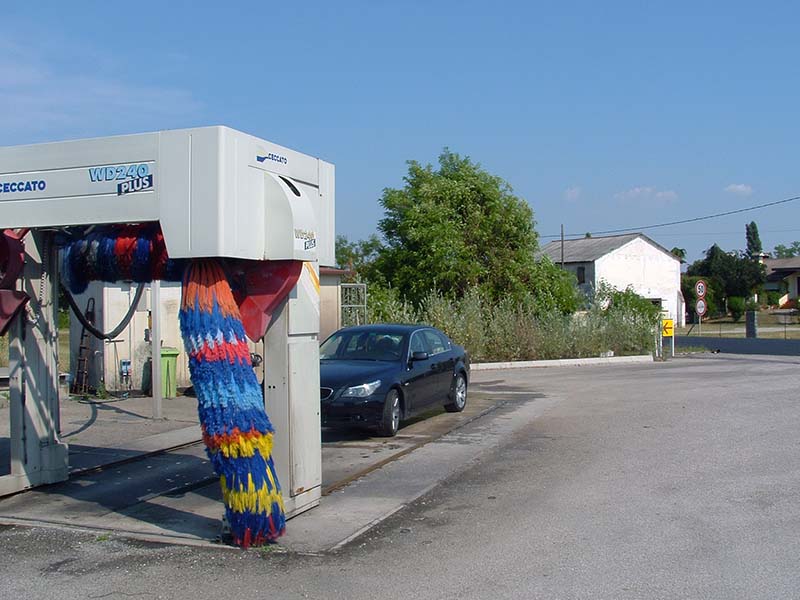
The final section provides for a biological treatment with attached biomass, in which the wastewater passes through a substrate called a “biofilter.” Compared to traditional suspended biomass systems, attached biomass systems are better able to cope with discontinuities in hydraulic and organic loads; furthermore, thanks to the peculiarity of the system, oxygenation of the wastewater occurs without the adoption of electric blowers, with considerable energy savings and better environmental impact.
Depending on the required purification objectives and the sizing adopted, the final filtration stage may not be necessary. Should the discharge limits require such a polishing section, one or more filter columns will be adopted for the removal of sensitive parameters (TSS, hydrocarbons, etc.).
The issues related to material storage on paved surfaces are manifold: one of the most well-known criticalities monitored by public administrations and ARPA (Regional Environmental Protection Agencies) is that of rainwater runoff from yards used for the storage of various materials (ferrous and otherwise).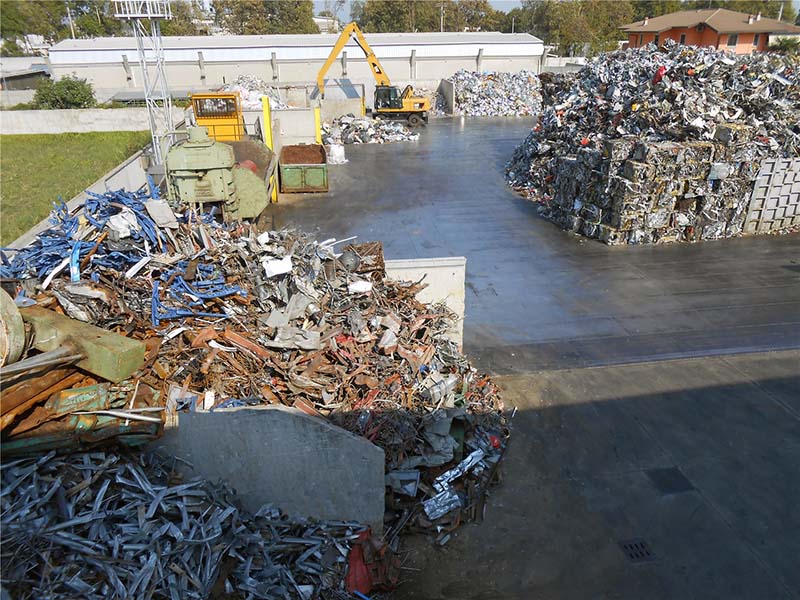
Treatment must be provided for at least the first flush and, where required, also for the second flush. The volume to be treated must be collected in storage tanks and subsequently treated with a light liquid separator, possibly integrated with further polishing treatments (filtration, chemical-physical, and so on).

