
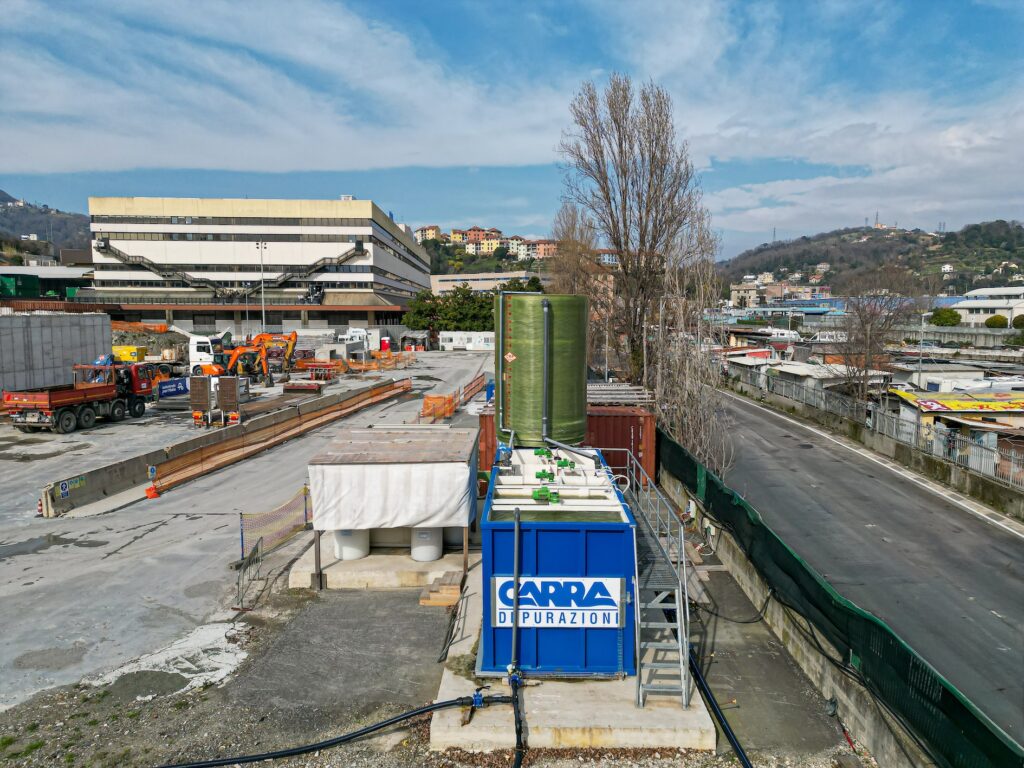
Chemical-Physical Treatment
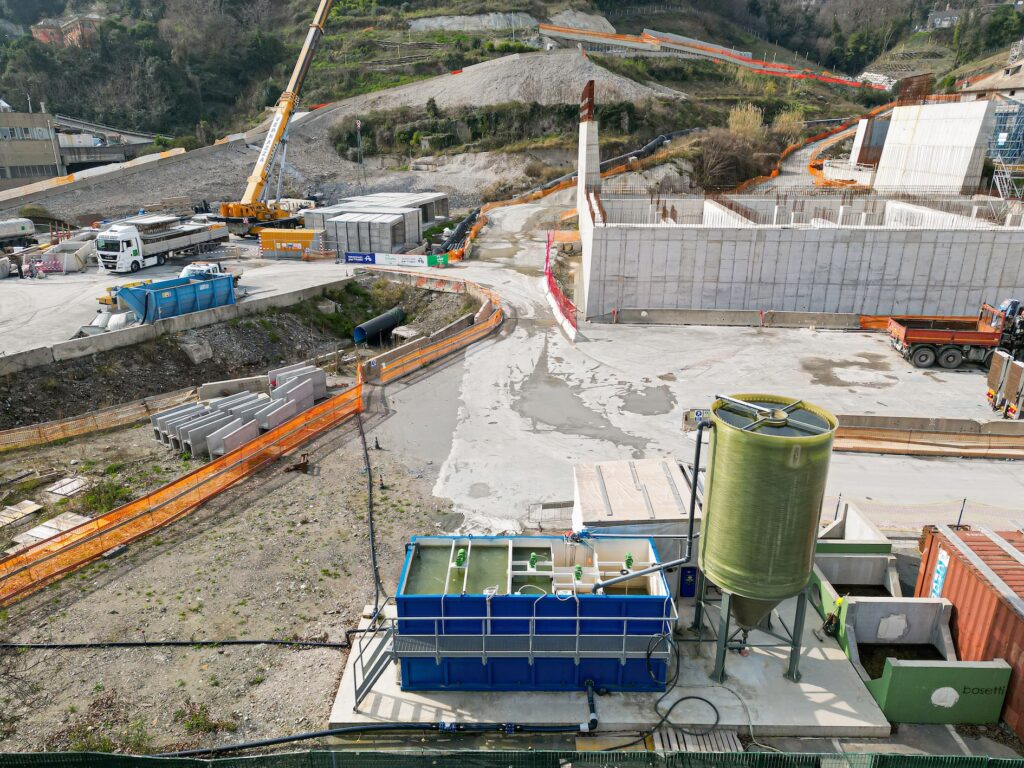
Chemical-physical treatment is the simplest and most economical method for treating a wide range of industrial wastewater from production and/or processing activities that generate effluent with high organic and inorganic load content. In particular, these systems are used for treating wastewater from:
- Car washes with engine washing and new vehicle dewaxing sections;
- Washing and degreasing using detergents in industry in general;
- Tumbling, alkaline degreasing and phosphate degreasing;
- Paint booths;
- Processing of glues, inks, dyes (furniture manufacturers, screen printing, printing houses, paint manufacturers, dyeing facilities);
- Industrial laundries with high inorganic content (washing of workshop overalls, rags, etc.).
The chemical-physical plant, normally preceded by a series of pre-treatments upstream of the system and provided according to the type of wastewater to be treated (screening, grit removal-oil separation, accumulation with equalization-homogenization), includes a series of treatment phases such as:
- Neutralization – Consisting of a pH control and regulation system;
- Clarification-Flocculation – Consisting of specific coagulant chemical dosing systems;
- Sedimentation – Consisting of a specific sedimentation tank with truncated-conical bottom;
- Sludge Dewatering – Consisting of a draining bag system and/or filter press.
Downstream of the treatment, various refining systems can be installed, depending on specific needs and the quality required by the receiving body at discharge: biological treatment stage, filtration on quartzite, adsorption on Activated Carbon, etc.
The sludge produced in the sedimentation section is extracted from the settling tank and generally sent to a draining bag, where it undergoes further dewatering to allow for direct removal and disposal. The full bag must be replaced and stored under suitable conditions, pending disposal.

