GEOFILTER
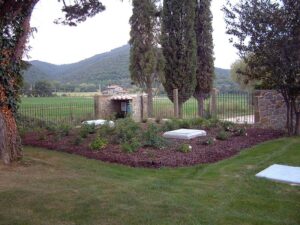
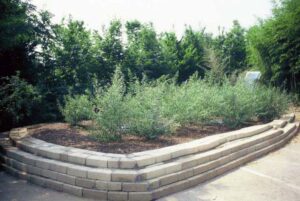
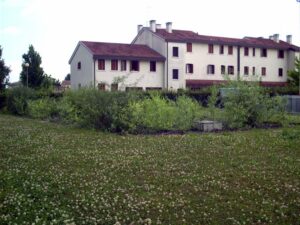
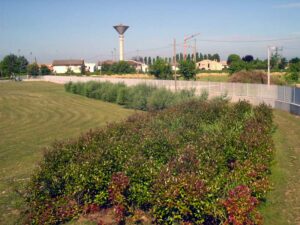
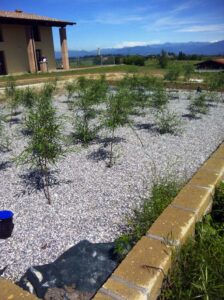
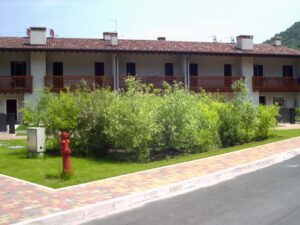
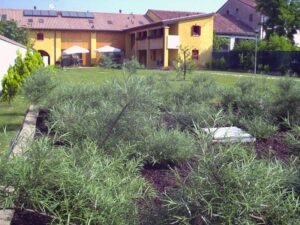
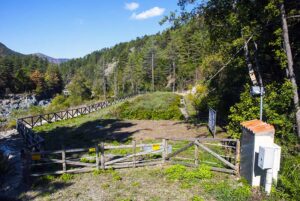
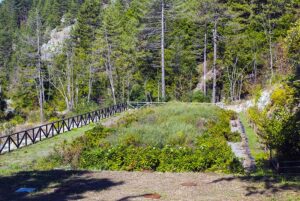
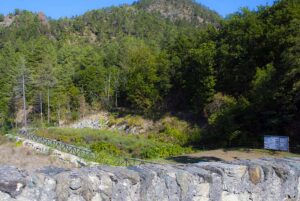
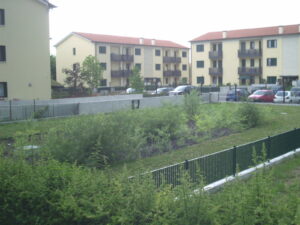
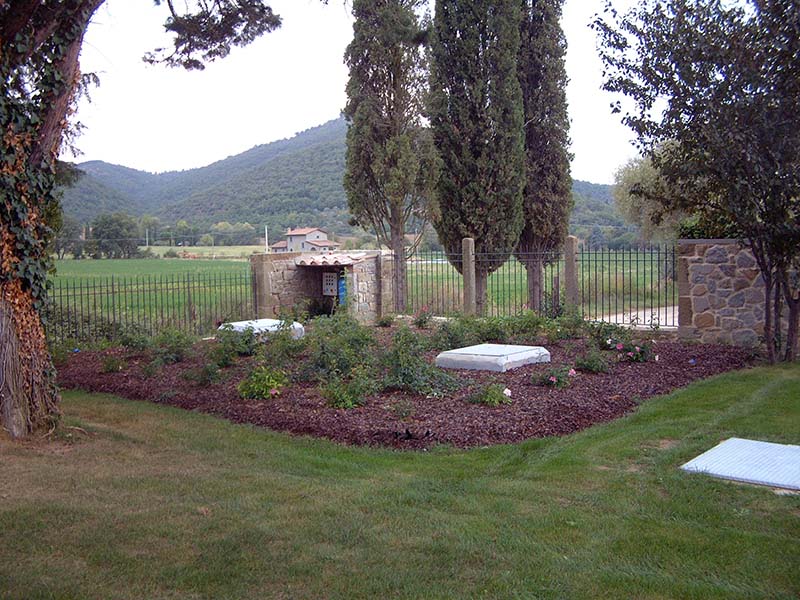
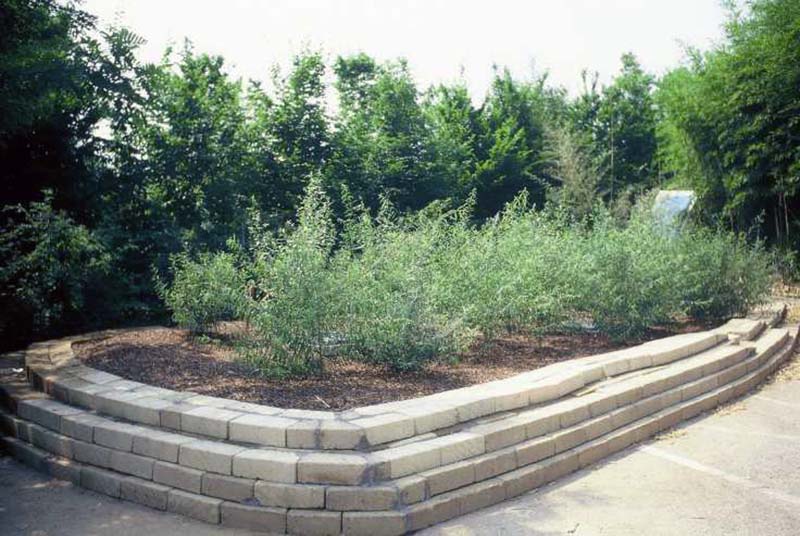
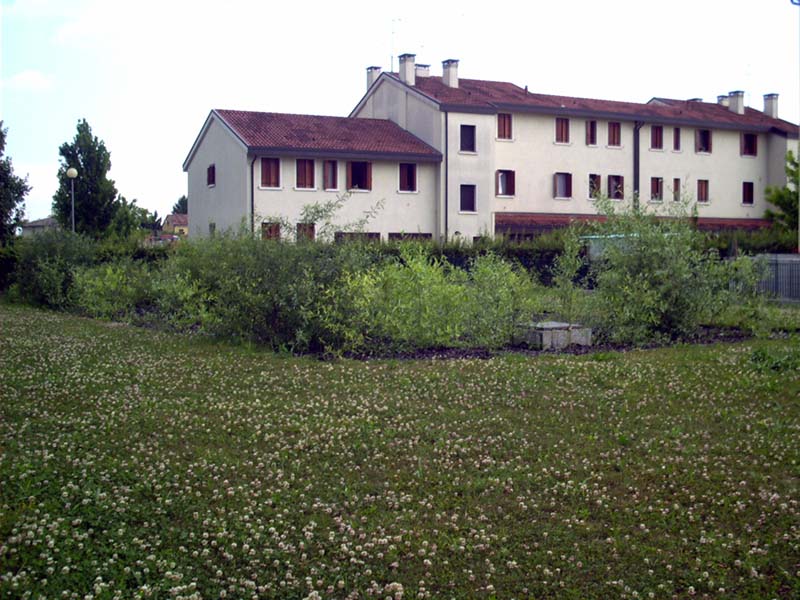
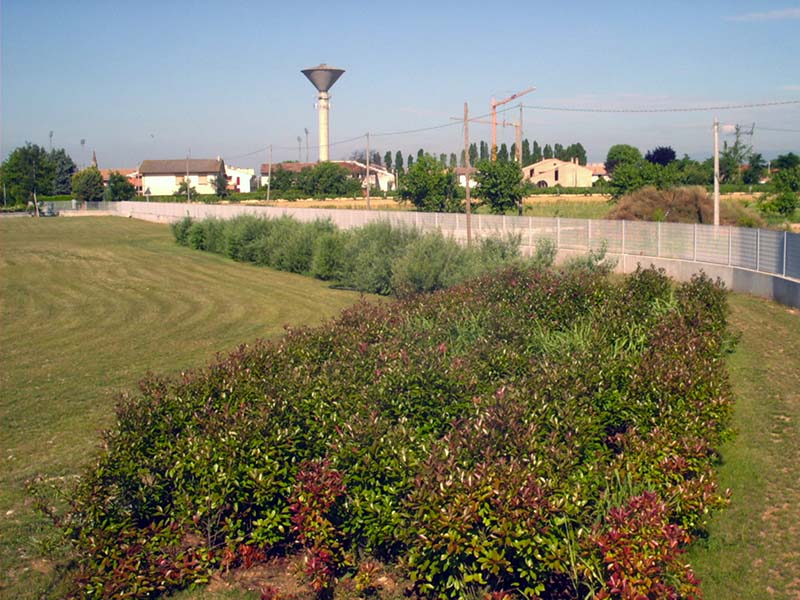
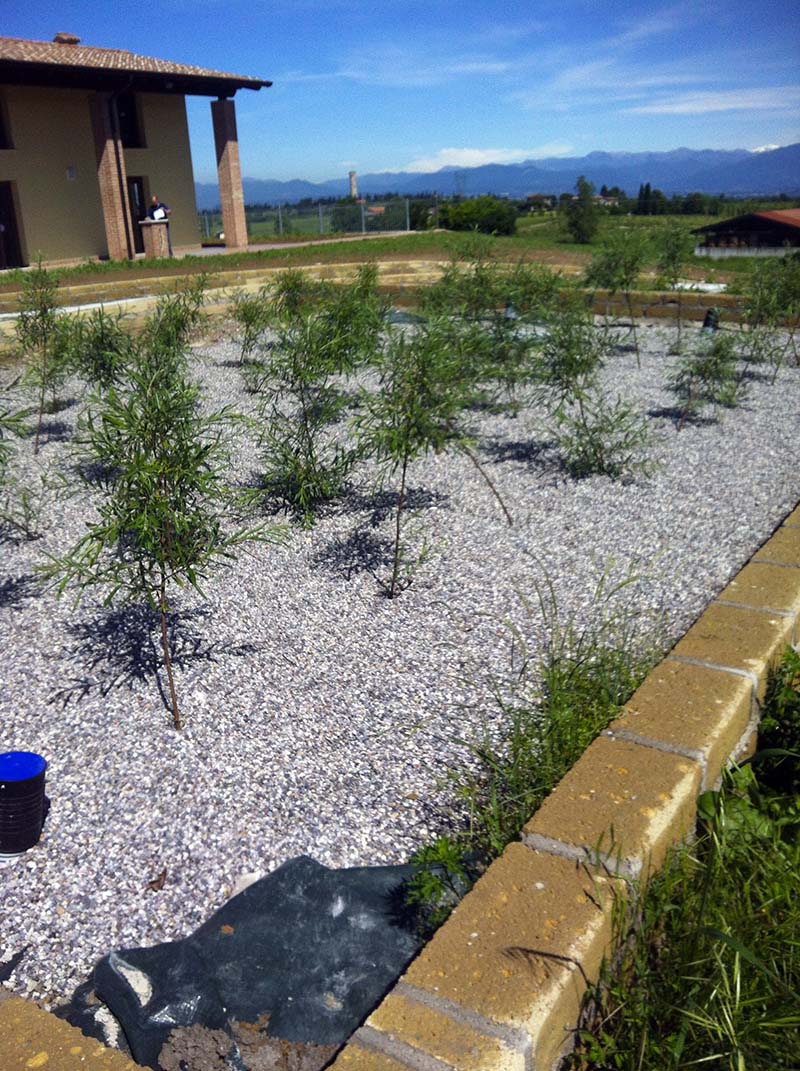
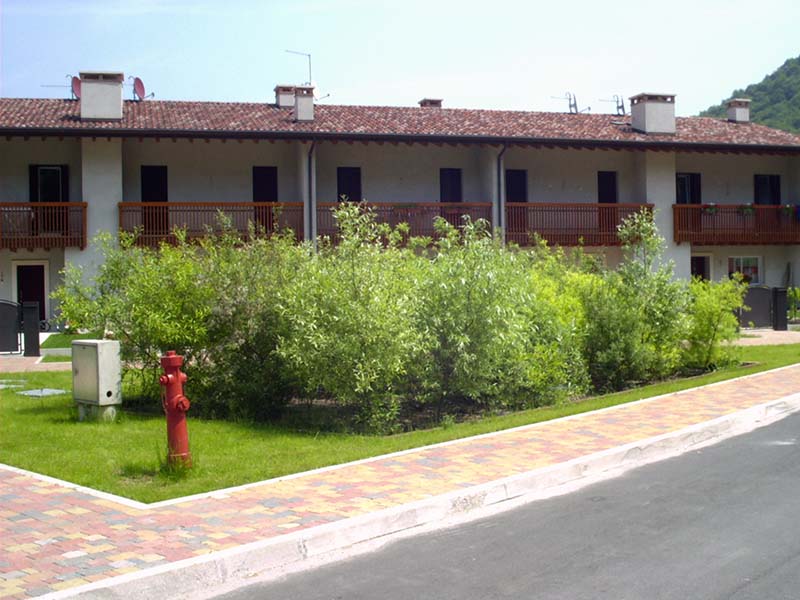
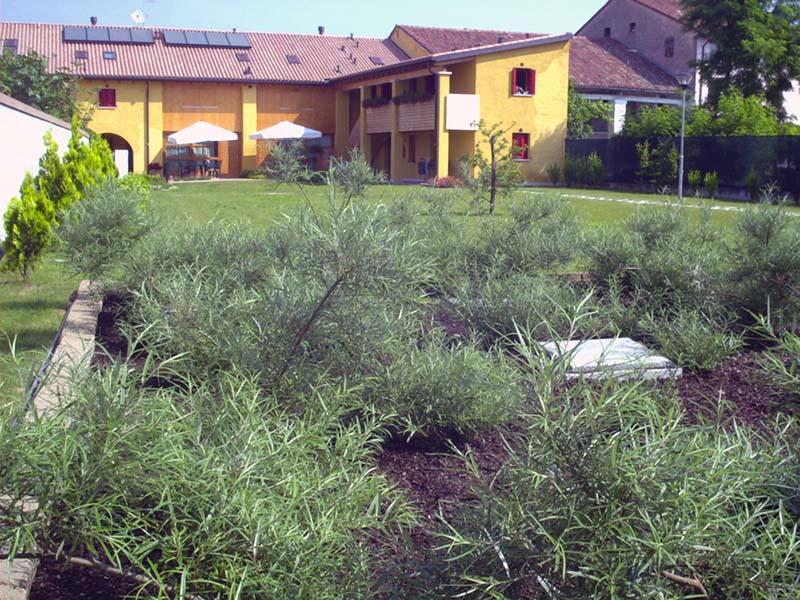
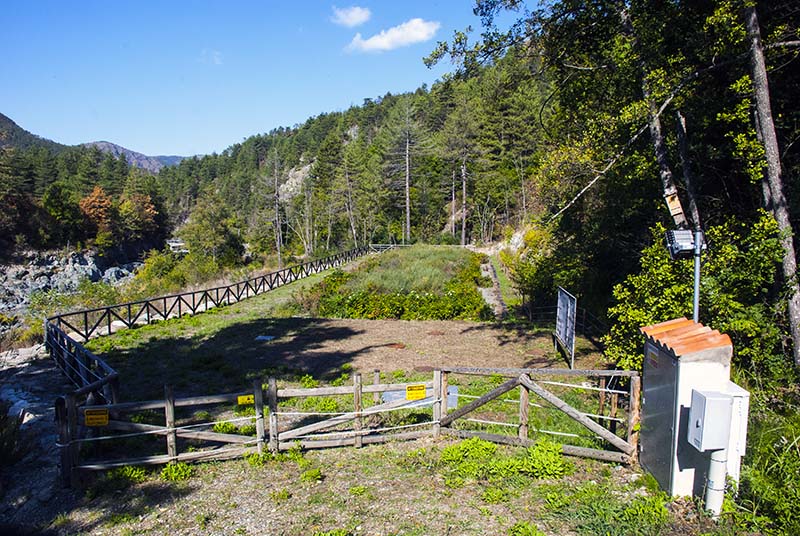
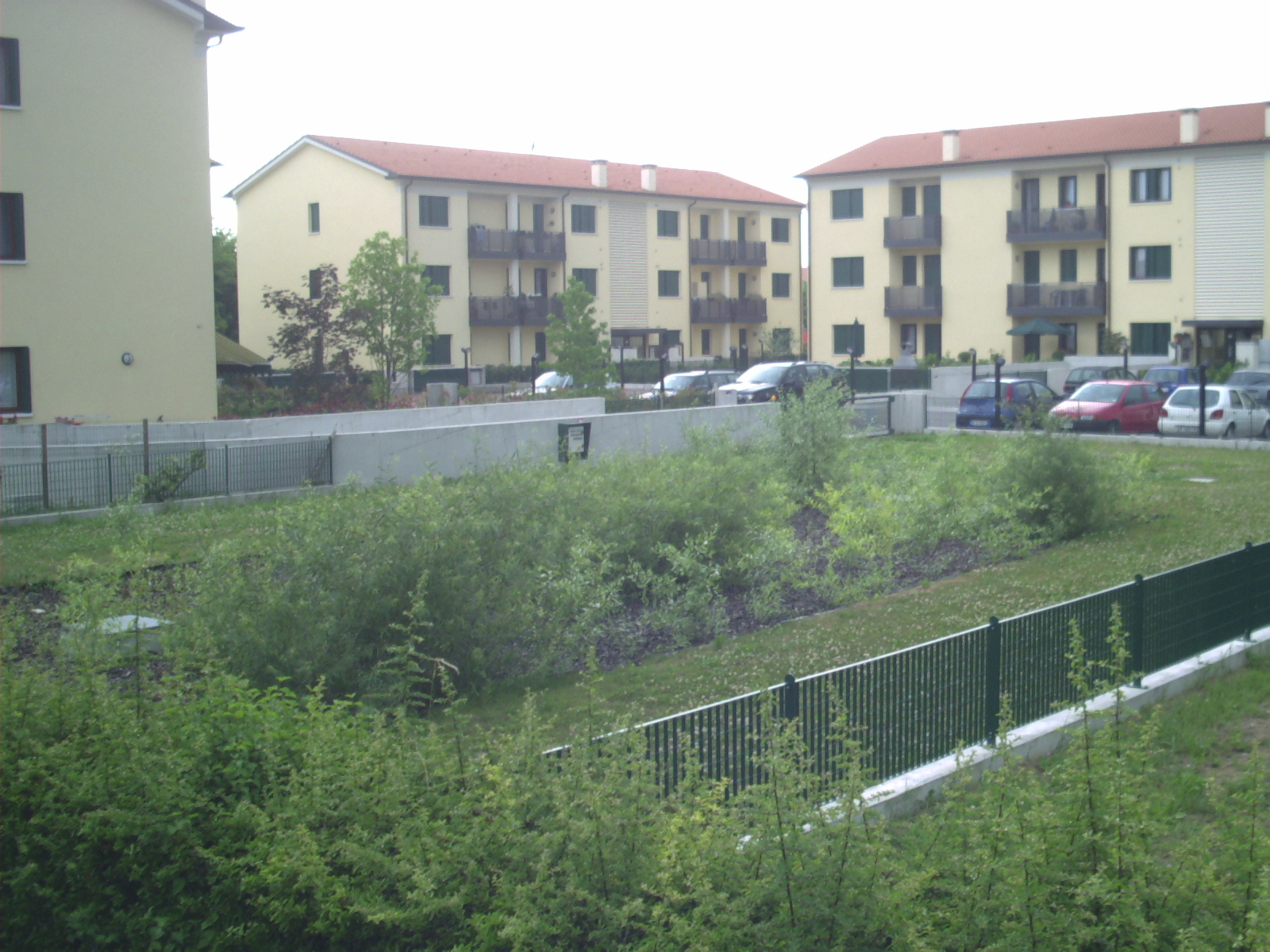
Integral phytodepuration basin.
DESCRIPTION
Phytodepuration treatments are biological treatments in which plants that thrive in humid soils play a key role in wastewater purification.
In phytodepuration systems, natural habitats are artificially recreated, allowing the development of natural biological phenomena that enable the purification of the water to be treated. The removal of pollutants occurs through a complex variety of biological, chemical, and physical processes. Among these, the cooperation between plants and microorganisms plays a predominant role, as the plants provide a suitable habitat for their development.
Phytodepuration has achieved excellent results in the removal of poorly biodegradable substances, such as chlorinated hydrocarbons, phosphates, heavy metals, and pathogenic germs.
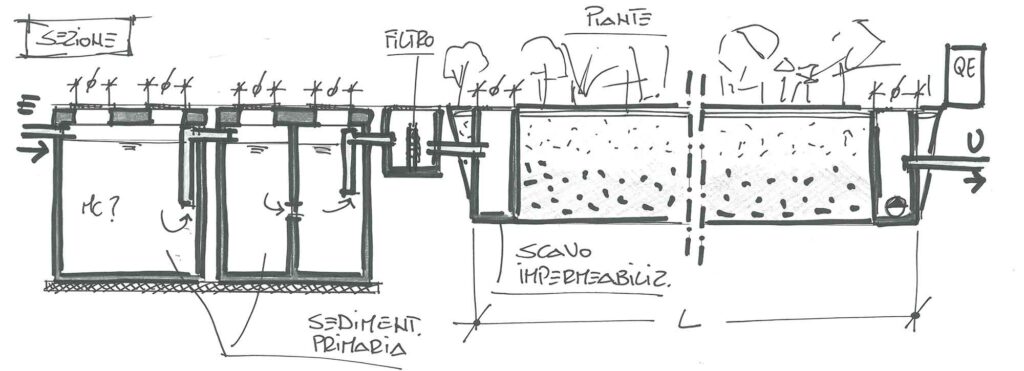
Upstream of the phytodepuration system, pre-treatment installation must always be provided, generally consisting of a primary settling tank (three-chamber tank, Imhoff tank, grease trap).
Phytodepuration systems can be divided into two main categories:
- GEOFILTER VF – Integral vertical flow phytodepuration basin
- GEOFILTER HF – Integral horizontal flow phytodepuration basin
Scope of application
- Treatment of domestic wastewater from small communities
- Treatment of industrial wastewater
Reference regulations
- Legislative Decree 152/2006